
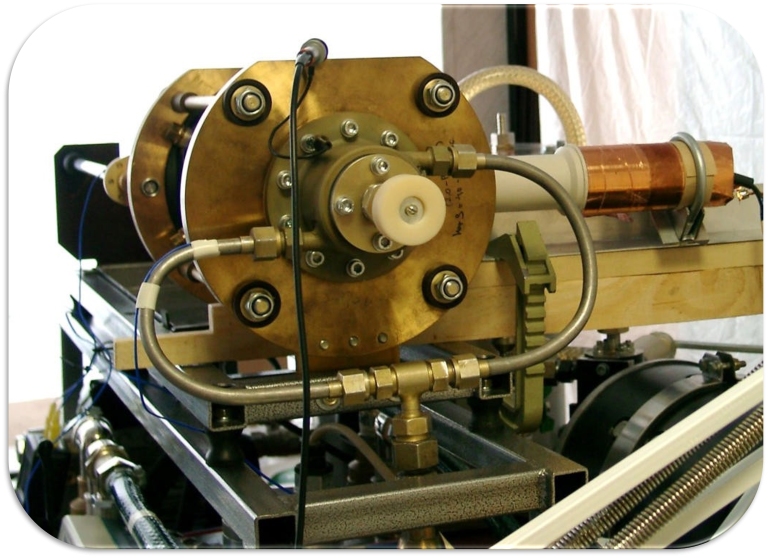
Prototype of A.I. Koldamasov cavitation water plasma reactor
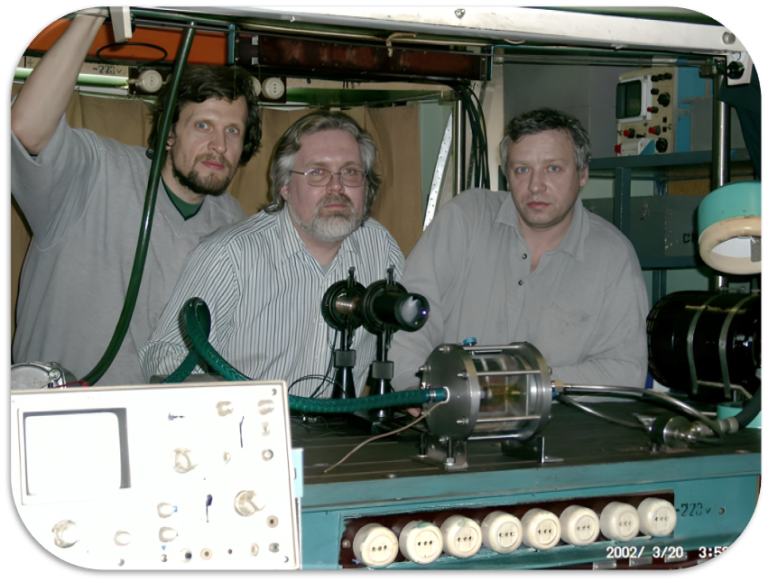
Group of authors: Roshchin V.V., Godin S.M., Polyakov L.B. A first prototype of the Koldamasov’s installation operating on I20A type mineral industrial oil. Moscow, Institute of High Temperatures, Russian Academy of Sciences, 2002.
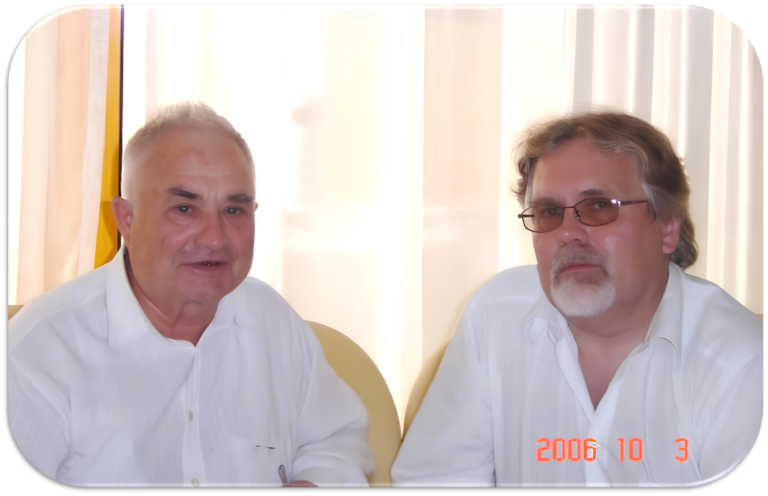
A.I. Koldamasov and S.M. Godin at the 14th Russian conference on cold fusion. Sochi, 2006.
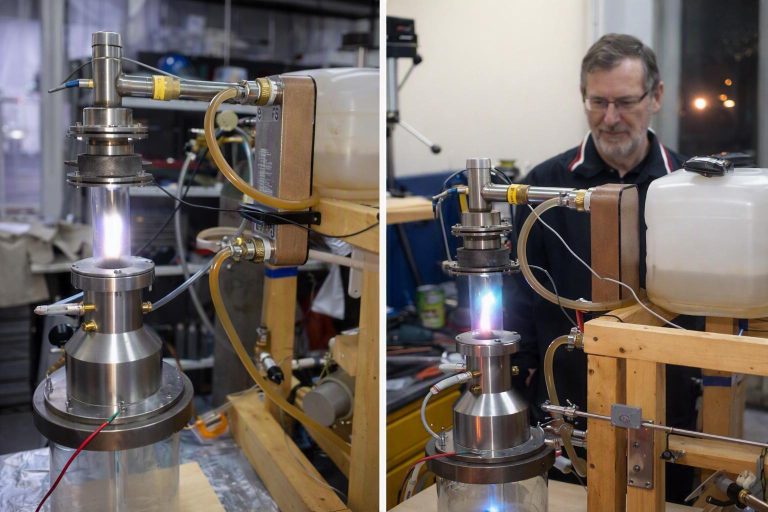
Dr. Klimov tested his Plasma Vortex Reactor in 2015
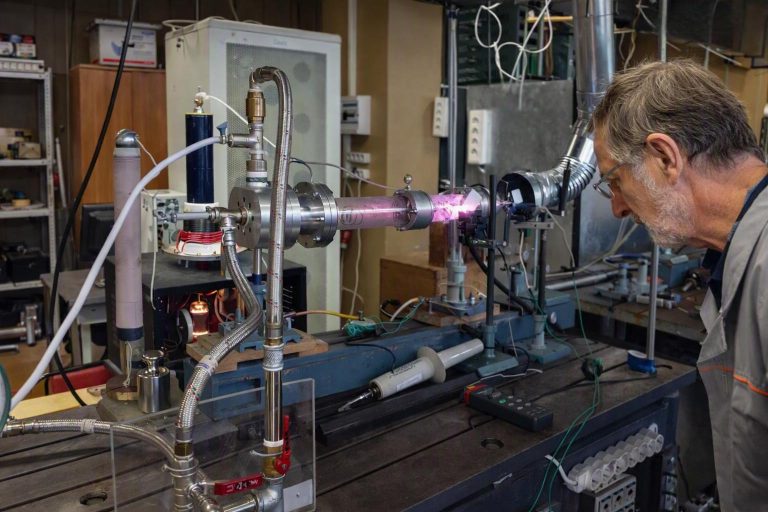
Dr. Klimov tested his Plasma Vortex Reactor in 2018
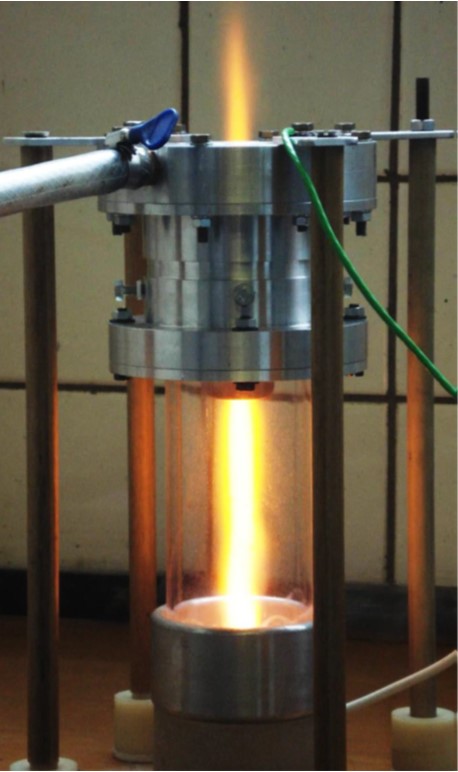
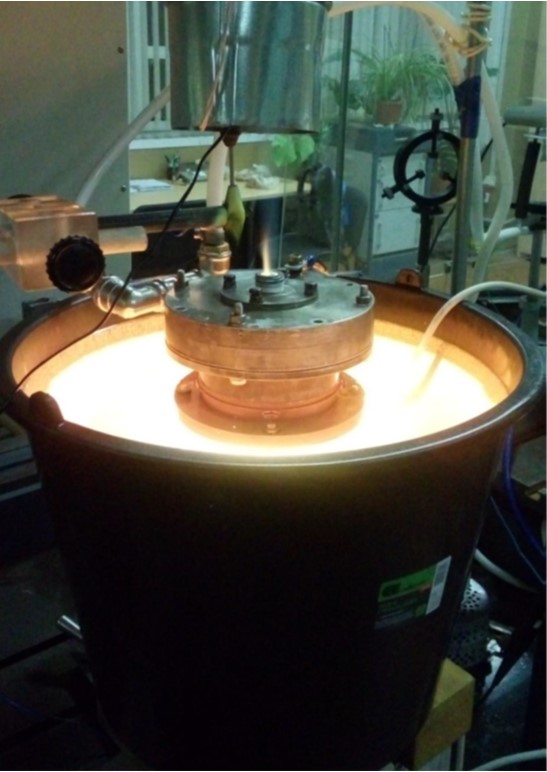
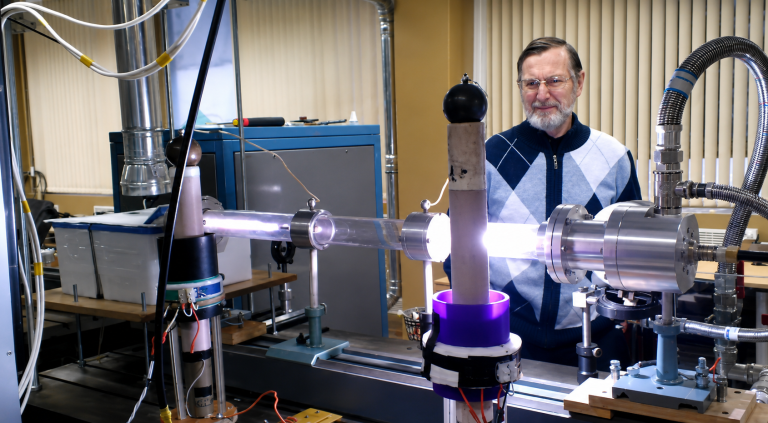
Dr. Klimov tested his Plasma Vortex Reactor in 2024
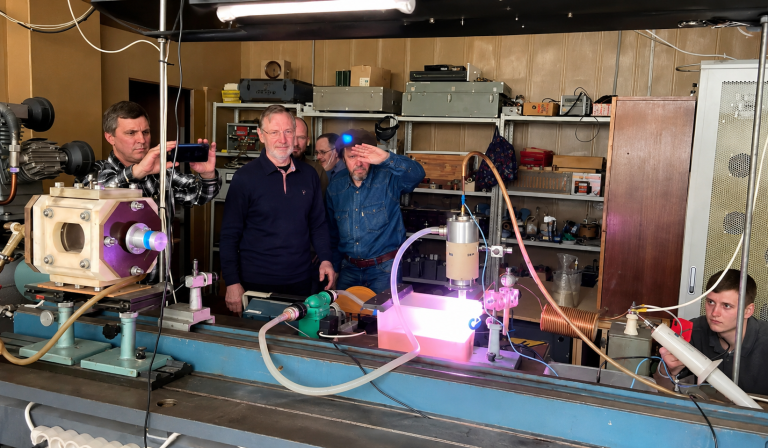
Koldamasov’s Core Theory
From Cavitation to Plasma Formation
Dr. Alexander Ivanovich Koldamasov proposed that plasma generated during cavitation is not simply the result of extremely high temperatures. Instead, he suggested that cavitation itself initiates a sequence of electro-physical processes capable of concentrating energy within microscopic regions.
His proposed mechanism can be summarized as follows:
Cavitation → Charge Separation → Strong Electric Field → Electron Acceleration → Stable Plasma
In this model, collapsing cavitation bubbles create charge separation at the liquid–gas interface. Similar charge-separation phenomena are observed in nature, including:
- Triboelectric charging caused by friction.
- Charge accumulation within thunderclouds.
- Electrification during the fragmentation of water droplets.
When a large number of cavitation bubbles collapse simultaneously, Koldamasov proposed that these separated charges become concentrated near the constriction, producing an intense electric field.
This electric field may then accelerate electrons to high energies, resulting in the formation of a stable plasma region capable of sustaining high-frequency electromagnetic activity.
Unlike the conventional interpretation of cavitation as a purely thermal phenomenon, Koldamasov viewed it as an electromagnetic energy-focusing mechanism operating within liquids.
Why This Became Known as the breakthrough Water Plasma Research Pathway
Traditional plasma technologies are generally produced through:
- Vacuum electrical discharge.
- Gas discharge.
- High-temperature electric arcs.
Koldamasov explored a fundamentally different approach:
Plasma generated directly within liquids through cavitation.
This concept is now commonly described as Cavitation Water Plasma.
Compared with conventional plasma systems, this approach offers several distinctive characteristics.
| Conventional Plasma | Koldamasov’s Water Plasma Concept |
|---|---|
| Requires extremely high temperatures | Can initiate under liquid conditions |
| Often requires low-pressure gases | Uses ordinary water as the working medium |
| Significant electrode erosion | Potentially reduced material erosion |
| Primarily generates heat | Accompanied by strong electromagnetic phenomena |
| Difficult to maintain continuous operation | Proposed as a stable flowing plasma system |
Dr. Klimov’s work establishes a paradigm in non-equilibrium Low Energy Nuclear Reactions (LENR) driven by high-density, heterogeneous plasma-vortex hydrodynamics. The primary technological breakthrough is the Water Plasma Vortex Reactor (PVR-W), which achieves an extra thermal output of up to 10 kW with a Coefficient of Performance (COP = Qout/Qin) ranging from 2.0 to 10.0, direct electrical power extraction of ~200 W via magnetohydrodynamic (MHD) conversion, high-yield hydrogen generation (~1 mg/s), and controlled elemental transmutation (~17–20 mg/s of synthesized powder vs. <1 mg/s electrode erosion).
Crucially, the diagnostics confirm that these nuclear-level reactions are accompanied by soft X-ray radiation (0.1–30 keV), localized micro-zone electron temperatures reaching Te ~ 100 eV (≈ 1.16 × 10^6 K), and the generation of low-momentum neutron-like entities (hydrinos). Furthermore, Klimov discovered that synthesized transmuted elements exist in a metastable state exhibiting temporal decay instability, which can be accelerated by a factor of 10^3–10^6 when exposed to Weakly Ionized Non-equilibrium Plasma (WINP).
- Phase 1 (2012–2016): Microwave & HF Plasmoid Foundations (Kapitsa Lineage) — High-frequency capacitive-coupled discharge in rotating gas flow; soft X-rays observed, COP ~2.0, specific energy ~100 eV/particle.
- Phase 2 (2017–2018): Gas-Vapour Steam PVR-4 & WPR-1 Systems — Argon + water-vapor mixture injected into a reverse-vortex chamber; dual calorimetry verified 1–1.2 kW thermal output, hydrogen production ~1 mg/s; Li/In doping gain observed (COP increased from 2.1 to 6.0).
- Phase 3 (2022–2024): Compact PVR-W Direct-Water Vortex Reactor — External steam generator eliminated; cavitation occurs directly in liquid water; core volume compressed from 1000 cm³ to 180 cm³; thermal power increased to 10 kW (maximum COP 10), with 200 W direct MHD power generation; decay instability of transmuted elements discovered and controlled.
|
Parameter |
Reported Range |
Technical Meaning |
|
DC Supply |
Up to 8 kV, 2 A |
Discharge initiation and sustaining |
|
Oscillation Frequency |
1–10 kHz |
Self-sustained LC relaxation mode |
|
HF Discharge |
440 kHz; Modulation 100–10,000 Hz |
Earlier water-vapor plasmoid |
|
Gas Mixture |
Argon + Water Steam / Liquid H2O |
Plasma carrier and hydrogen source |
|
System |
Medium |
Principal Feature |
Reported COP |
|
WPR-1 |
LiOH solution, argon plasmoid inside bubble |
Plasmoid inside bubble |
2.1 (single pulse) |
|
Stepanov WR |
Water / water vapor |
Underwater streamer |
≈ 1.0–2.0 |
|
PVR-4 |
Argon/helium + steam |
Reverse vortex, external steam |
1.2–2.0 |
|
Gas-fed PVR |
Argon + water vapor |
Combined HF+DC discharge |
2.0–10.0 (claimed) |
|
PVR-W (2024) |
Liquid water + argon cavity |
Direct evaporation, no steam generator |
1.62–2.82 (measured) / 10.0 (peak) |
Through more than 14 years’ solid water plasma tests, the Klimov team in the past demonstrates a continuous technical pathway from water-vapour and underwater plasma systems to a compact direct-water plasma vortex reactor. Potentially valuable engineering elements include stable swirl flow, pulsed relaxation discharge, near-field heat transfer, simultaneous hydrogen production, and direct MHD electrical extraction.
The reported thermal-power ratios and analytical anomalies warrant further investment in engineering validation. The substantial body of experimental data reported by Dr. Klimov is considered an important prerequisite for the current stage of LENR engineering commercialization.